
THE HARD TRUTH

THE PROBLEM:
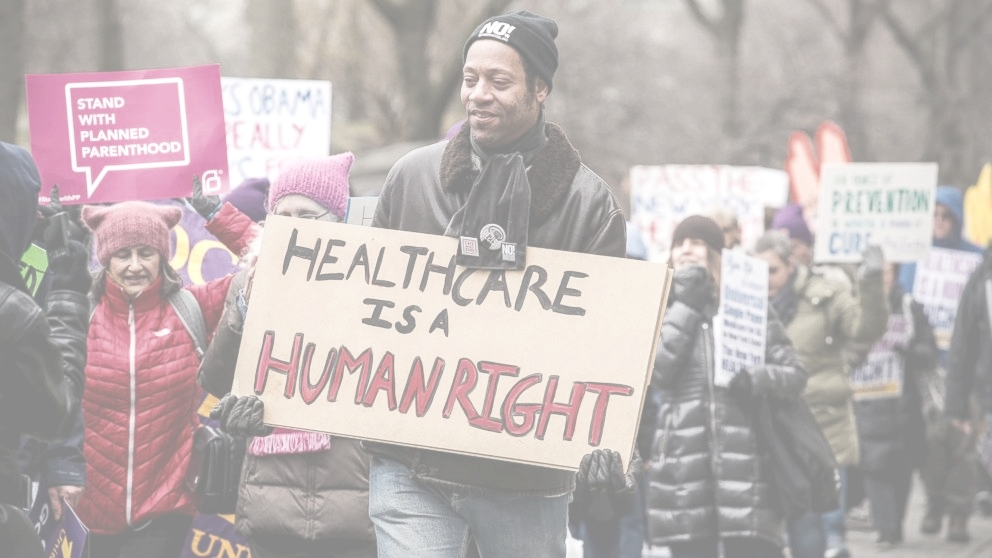
It is no secret that African American citizens face health care disparities. Racial/ethnic groups have been minoritized in US society for decades and today, studies have proven that these groups experience multiple disparities in medical care and access to it (Flores and Tomany-Korman). In fact, one study around minoritized groups and medicare expenses found that in a three-year period (2003-2006) 30.6% of direct medical care expenses were excess costs due to health inequalities. In addition, more than 59% of these costs were attributable to African Americans and in this timeframe, the study found they totaled $135.9 billion in excess direct medical costs (LaVeist, et. al). This particular group has the worst health profile among all underrepresented racial/ethnic groups. African American children are the most likely to be uninsured out of all considered racial/ethnic groups too (Flores and Tomany-Korman).
However, when discussing the lack of medical care access within this community, it is important to recognize the barriers, such as the location of where some live. First, it is important to remember that roughly 1/6 of all Americans live in rural populations (Douthit, et al.) Those who are living in rural areas suffer an access issue, especially those who are already minoritized. One of the main issues is the distance between those areas and medical services. However, economic, cultural, educational, and social factors and differences impede these groups from receiving recognition by legislators as well as the isolation of living in these rural areas which results in the existing struggles to live healthy normal lives (Douthit, et. al). A study found that trauma centers are within a ten-mile radius of only 24% of rural communities in comparison to urban populations who have a 71% chance of being in that ten-mile radius of trauma centers (Douthit, et. al).
THE HARD DATA
MORE THAN 59%
AFRICAN AMERICANS PAY EXCESS EXPENDITURES DUE TO HEALTH INEQUALITIES EVERY 3 YEARS
24%
OF RURAL AMERICANS HAVE EASY ACCESS TO HEALTH CARE FACILITIES
12%
OF AFRICAN AMERICANS FEEL THEY'RE MEDICAL PROFESSIONALS TREAT THEM UNFAIRLY